

A budget is one of the most practical tools for managing your money. It helps you understand how much is coming in, where it is going, and how to make sure your spending aligns with your priorities. A well-built budget can help you make informed financial decisions, reduce debt, prepare for unexpected costs, and build savings over time. The Financial Consumer Agency of Canada describes budgeting as a key part of managing money and reaching both short-term and long-term financial goals.
What makes up a budget?
At its core, a budget is made up of a few main components: income, expenses, savings, investments, and the balance between what you earn and what you spend. Looking at each of these categories separately can make it easier to understand your financial picture and spot areas where adjustments may be needed. The Government of Canada budgeting resources focus on tracking income and expenses, building savings into your plan, and using your budget to support future goals.

Income and expenses
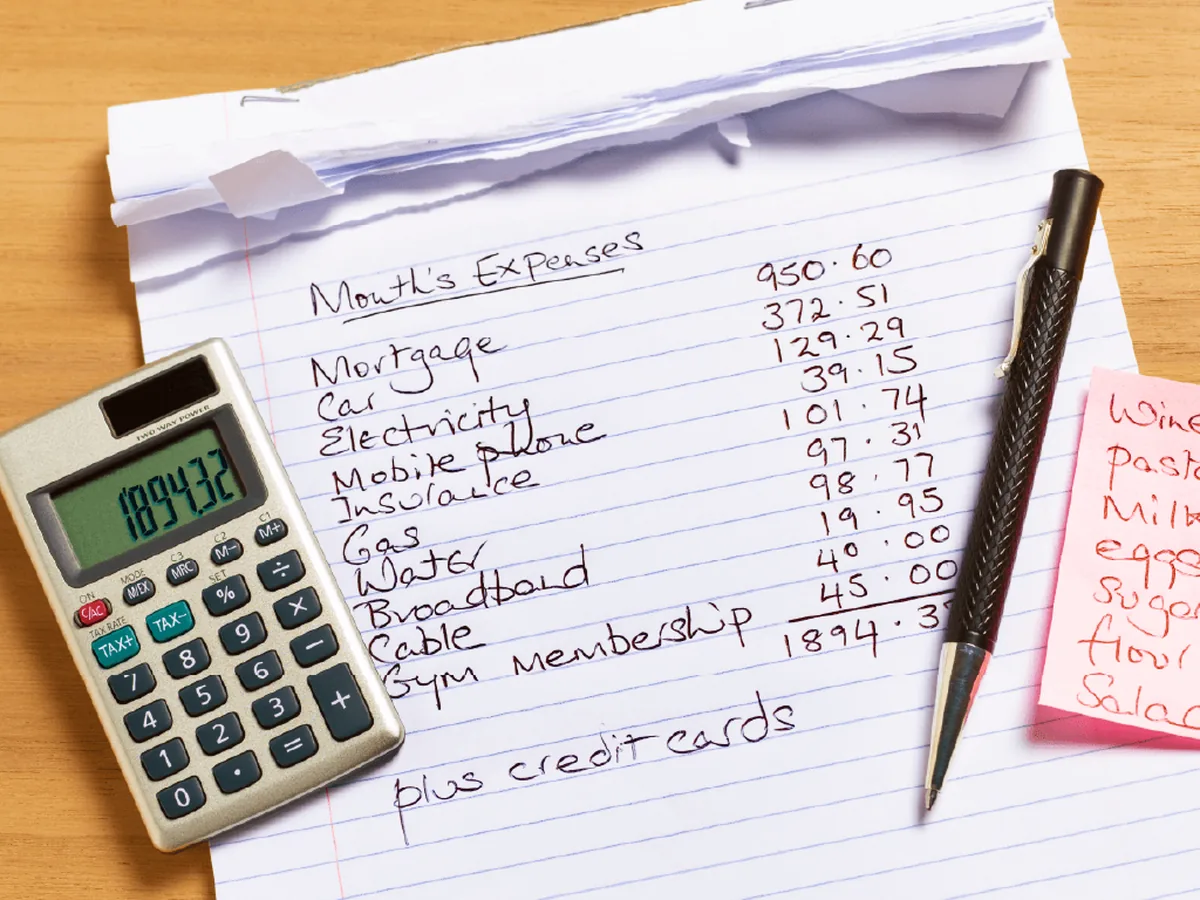
Income includes any money coming in, such as employment earnings, self-employment or business income, rental income, investment income, or other regular sources of funds. Expenses are the costs you need or choose to pay, and they often fall into a few broad categories: fixed expenses such as rent, mortgage payments, or insurance; variable expenses such as groceries and utilities; discretionary spending such as entertainment or dining out; and debt payments such as loans or credit cards. Tracking these amounts is an essential first step in creating a realistic budget.
Savings and investments
A strong budget also makes room for savings. This can include emergency funds, short-term goals, and longer-term priorities such as retirement. Investments are another important part of a financial plan, allowing money to grow over time while supporting future goals. The Government of Canada advises people to identify both short-term and long-term goals and make saving for those goals part of their budget. It also notes that investment decisions should reflect your timeline, risk tolerance, and financial objectives.
Surplus, deficit, and your budgeting period
When your income is greater than your expenses, you have a surplus, which can be directed toward savings, investments, or debt repayment. When expenses are higher than income, you are running a deficit, which may signal a need to adjust spending or review financial priorities. Budgets can be created over different timeframes, including monthly, quarterly, or annually, depending on what works best for your situation. Many people start with a monthly budget because it aligns with common billing and pay schedules. Budgeting tools provided by the Government of Canada can help people build a budget and receive personalised suggestions for improving their financial situation.
Budgeting tip: Include long-term goals
A budget should do more than cover today’s bills. It should also help you move steadily toward major life goals, whether that means buying a home, paying for post-secondary education, starting a business, or saving for retirement. Setting aside even a small amount on a regular basis can make long-term goals feel more achievable. Government guidance specifically recommends building both short-term and long-term goals into your budget so that your spending plan supports not just your current needs, but your future plans as well.